
Elizabeth Taylor · Actor and humanitarian
Elizabeth Taylor's Eyes: Blue, Violet, or Both?
Violet is the unforgettable appearance; deep blue and green hues are the more careful source-backed description.
- Evidence status
- Official estate source
Last reviewed September 1, 2026
By Iris Analyzer Editorial Team
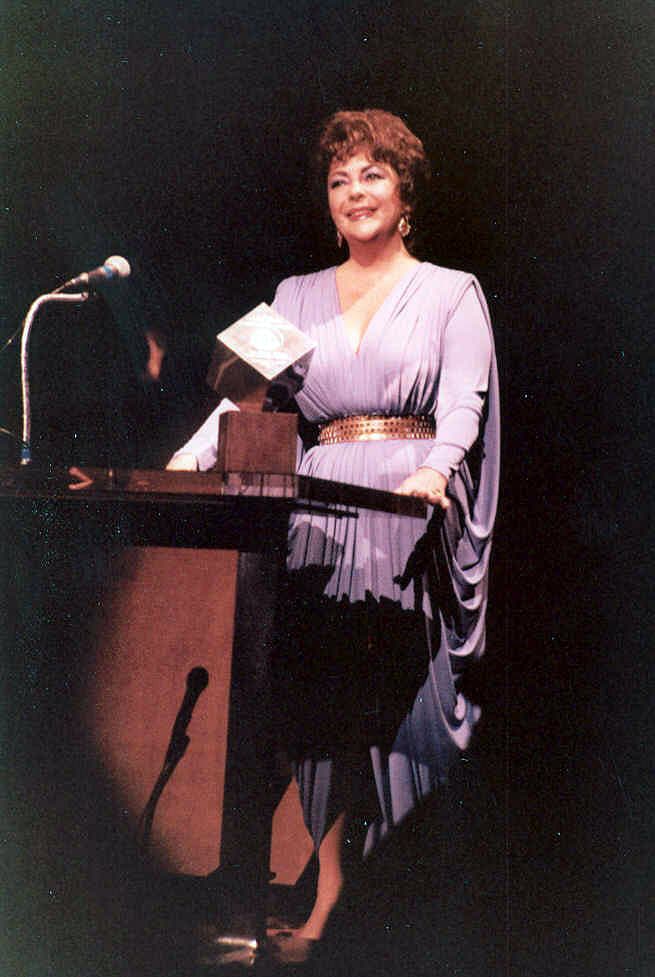
Elizabeth Taylor at a public event in 1981. The licensed portrait illustrates the subject; the color discussion comes from the cited estate and scientific references.
Elizabeth Taylor (1096429080) · Photo by Alan Light · CC BY 2.0 · Unmodified
.jpg)
What color were Elizabeth Taylor's eyes?
The most careful answer is deep blue with green hues that could produce a violet appearance. In its account of the famous eyes, the Elizabeth Taylor Estate describes unusually deep blue and green coloring and explains that the combination could read as violet under particular visual conditions.
That phrasing protects two truths at once: people genuinely experienced and remembered a violet effect, while the available source does not establish a separate standardized “violet” pigment measurement. “Blue-green that often appeared violet” is more transparent than either dismissing the legend or presenting a poetic label as a laboratory category.
Is violet a separate natural eye-color category?
MedlinePlus describes human iris color as a continuum from very light blue to dark brown and notes that everyday classification usually groups eyes into broad blue, green or hazel, and brown categories. Those categories simplify a complex combination of pigment, iris structure, light and perception.
Within that continuum, a very deep or cool blue eye can be described as violet in particular surroundings without requiring a new violet pigment category. This is a classification point, not a claim that observers imagined the effect. Appearance words can be accurate to an experience while remaining different from standardized measurement.
How film and lighting strengthened the violet impression
Taylor’s estate points to the visual language of classic Hollywood: bright studio lighting, period film stocks and the warm surroundings of major productions could make deep blue read warmer and more purple. Human color perception also compares the iris with nearby skin, lashes, costume and set colors rather than viewing it in isolation.
Film is not a neutral sampling instrument. Exposure, color reproduction, printing, restoration and modern display settings can all alter the version viewers eventually see. That helps explain why two stills from different productions can support different shade words without showing a biological change in the iris.
The frame around the iris mattered too
The estate’s account describes Taylor’s double row of lashes as a dark natural frame that intensified the apparent saturation of her eyes. It also recounts how blue, green and purple gemstones were selected to echo the changing colors visible around her eyes. These surrounding contrasts help explain the durability of the violet description.
This page does not assign Taylor an individual gene variant or use the lashes to make a medical diagnosis. A public account of a double row of lashes is enough for the styling and perception point; it does not establish a complete genetic record. The same caution applies to claims that a certain makeup product “created” her eye color.
Why “violet eyes” is a legend, not a simple falsehood
Calling the eyes blue does not make every violet description wrong. “Blue” is a broad classification; “violet” can describe a recurring appearance produced by deep coloring, film reproduction and surrounding contrast. The useful correction is about certainty: the visual impression should not be converted into a claim about an exotic pigment or an unverified genotype.
Good reference writing preserves that nuance. It reports who made the description, explains why the appearance can vary, and marks the line between sourced fact and inference. It also avoids using one retouched publicity still as conclusive evidence.
How to describe blue eyes that sometimes look violet
Begin with a close-up made in even, neutral light and keep white balance and editing consistent. Note the broad field first—blue, gray, green or mixed—then record secondary hues and the conditions that make them more visible. A poetic shade name can sit beside the broad family rather than replacing it.
Iris Analyzer can summarize colors visible in your own photograph, but it cannot prove that your eyes share Taylor’s pigmentation or recreate a standardized measurement from a celebrity image. Treat the output as a description of one image under known conditions, not as identity matching or medical evidence.
Questions, answered carefully
Sources and what they support
Each source is attached to a specific claim. The portrait is licensed editorial imagery and is not treated as diagnostic evidence.
01 · The Elizabeth Taylor Estate
The Enduring Allure of Elizabeth Taylor's Violet Eyes
Official first-party sourceSource checked September 1, 2026
Taylor's estate describes blue and green hues that could appear violet in particular conditions. The account discusses film stock, lighting, lashes, costume colors and jewelry as part of the violet impression.
Open source02 · MedlinePlus Genetics, U.S. National Library of Medicine
Is eye color determined by genetics?
Scientific referencePublished July 7, 2022Source checked September 1, 2026
Human iris color lies on a continuum and is commonly grouped into broad categories. Melanin and the combined effects of multiple genes contribute to visible eye color.
Open source